Health Risks Linked to Birds and Bats in Commercial Properties
To reduce health risks linked to birds and bats in commercial properties, local contractors can provide effective control and exclusion solutions tailored to your needs.
If your commercial property has a history of bird or bat activity, understanding the potential health risks linked to birds and bats in commercial properties is essential for maintaining a safe environment. These animals can carry and transmit various diseases through droppings, nesting materials, or direct contact, posing health concerns for employees, clients, and visitors. Recognizing the signs of bird or bat presence and addressing them promptly can help prevent the spread of illness and protect the overall integrity of the building.
Property owners in the area often explore this topic to safeguard their investments and ensure compliance with health standards. Engaging with experienced service providers who specialize in commercial bird and bats control can provide practical solutions tailored to specific property needs. Keep reading to learn how local contractors can help mitigate these health risks and maintain a healthier, safer commercial space.
- Businesses experiencing bird or bat infestations may seek commercial bird and bats control to mitigate health risks linked to birds and bats in commercial properties, with local contractors implementing exclusion and removal strategies. - When signs of bird or bat droppings appear in commercial spaces, service providers can assess and remove contamination to reduce health hazards associated with birds and bats in commercial properties. - Commercial properties facing nesting or roosting issues might require bird and bat control services to prevent the buildup of droppings and debris that pose health risks linked to birds and bats in commercial properties. - Facilities dealing with ongoing bird or bat activity may contact local pros to install deterrents and barriers, helping to minimize health risks linked to birds and bats in commercial properties. - In cases where bird or bat populations threaten to spread disease or cause contamination, service providers can implement targeted control measures to address health risks linked to birds and bats in commercial properties.
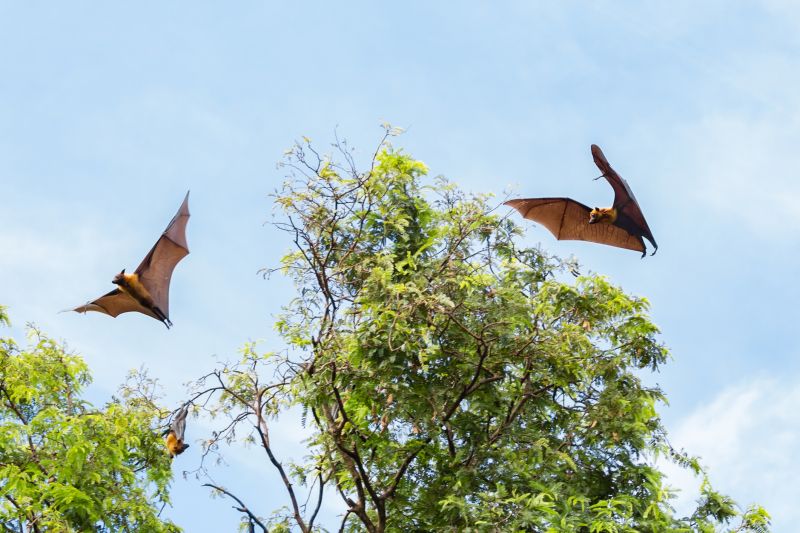
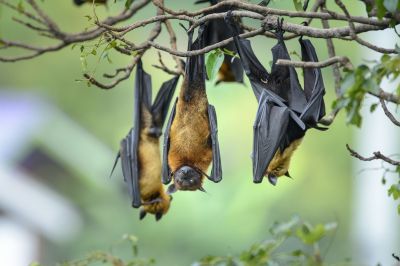
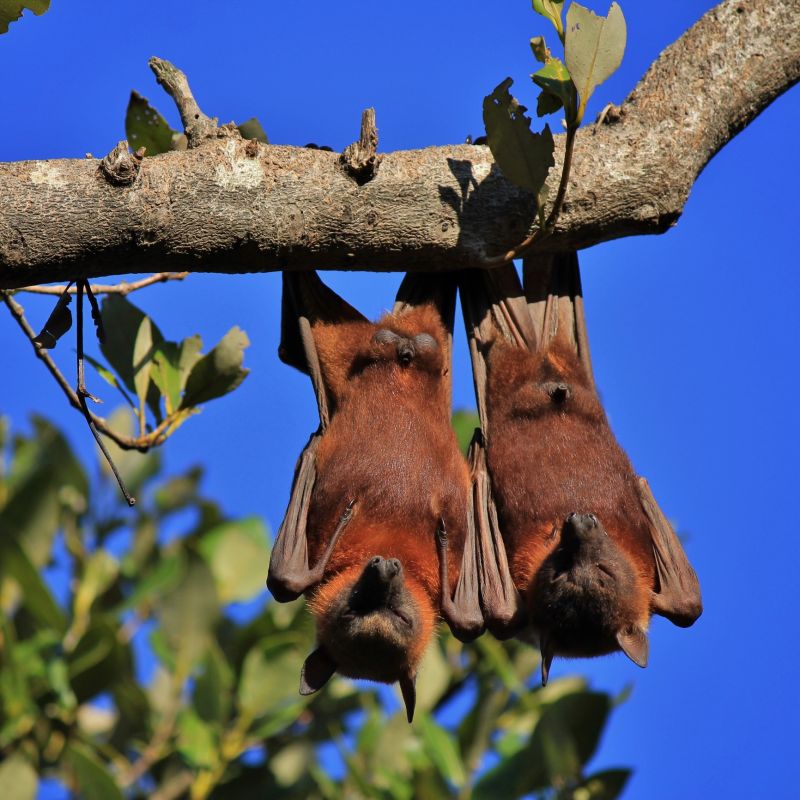
When people search for information about health risks linked to birds and bats in commercial properties, they are often concerned about the potential for disease transmission and health hazards associated with these animals. Commercial properties such as warehouses, retail stores, office buildings, and industrial facilities can attract birds and bats due to their structural features, open spaces, or nearby natural habitats. Visitors, employees, or clients may notice bird droppings, nesting sites, or signs of bat activity, prompting questions about the safety and cleanliness of the environment. This search typically arises from a desire to understand how these animals might impact health and what steps are necessary to prevent or address potential problems.
These health concerns are closely related to issues like the spread of zoonotic diseases, contamination of food products, and the presence of parasites or bacteria associated with bird and bat droppings. Bird droppings can harbor pathogens such as histoplasmosis, salmonella, and psittacosis, which can cause respiratory illnesses or other health problems in humans. Bats, meanwhile, are known carriers of rabies and other infectious agents, posing risks to anyone who might come into contact with them or their droppings. For property owners and managers, understanding these risks is vital for developing effective plans to mitigate exposure and maintain a safe environment for everyone on the premises.
Certain types of properties are more prone to issues related to birds and bats, especially those with structural vulnerabilities or open access points. Commercial warehouses with large roof gaps, loading docks, or ventilation openings often become nesting sites or roosting locations. Retail centers and shopping malls with expansive eaves or unsealed entryways can attract flocks of birds, while office buildings with attic spaces or unused areas may become inhabited by bats. Industrial facilities, particularly those near wooded or rural areas, are also at higher risk. Recognizing these property types helps owners and managers understand where health risks linked to birds and bats are most likely to emerge and where proactive control measures should be prioritized.
Local service providers specializing in bird and bat control play a crucial role in addressing these health risks. They can assess the property’s vulnerabilities, identify active nesting or roosting sites, and implement targeted exclusion or removal strategies. Properly managing bird and bat populations not only reduces the immediate health hazards but also helps prevent property damage caused by droppings or nesting materials. Connecting with experienced local contractors ensures that the necessary steps are taken to safeguard the health of building occupants and visitors while complying with local regulations. These professionals provide practical solutions tailored to the specific needs of each commercial property, helping owners maintain a clean, safe, and healthy environment.
Wildlife exclusion projects - these involve removing and preventing animals like birds and bats from commercial properties, requiring planning skills similar to those used in health risk management related to these pests.
Pest proofing services - preventing bird and bat entry helps reduce health risks linked to birds and bats in commercial properties, utilizing similar inspection and sealing techniques.
Building sanitation and cleanup - addressing contamination from bird and bat droppings involves sanitation strategies that are relevant to managing health risks linked to these animals.
Structural repairs and modifications - repairing entry points and roosting sites helps mitigate health risks linked to birds and bats, requiring careful planning and execution by local contractors.
Disease control and prevention programs - these projects focus on reducing health hazards associated with wildlife, paralleling efforts to minimize health risks linked to birds and bats in commercial settings.
Integrated pest management consulting - strategies to control bird and bat populations often involve integrated approaches, aligning with planning skills used in addressing health risks linked to these animals.
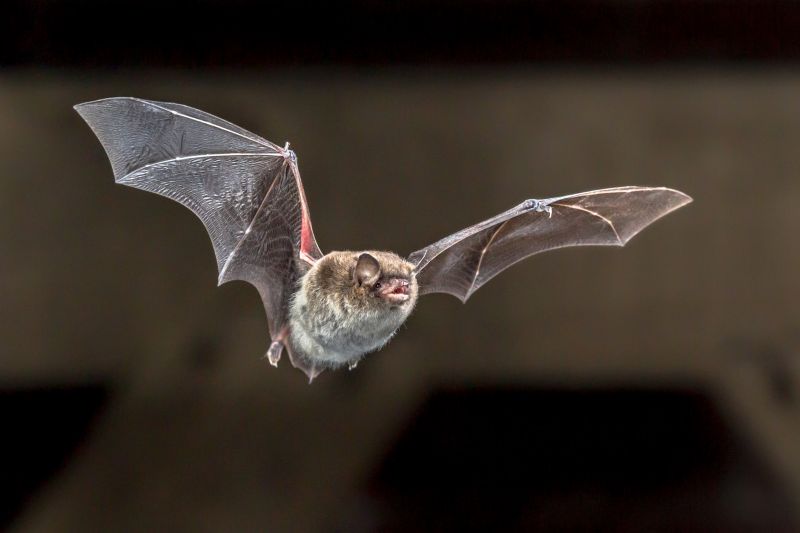
When evaluating service providers for commercial bird and bats control, it’s important to consider their experience with similar projects. A contractor with a proven track record handling properties of comparable size and type can offer insights into effective strategies for addressing health risks linked to birds and bats. An experienced local contractor will understand the unique challenges that commercial properties face and be better equipped to implement solutions that mitigate health hazards associated with droppings, nesting sites, and potential disease transmission.
Clear written expectations are essential when choosing a service provider. This includes understanding the scope of work, the methods used to control bird and bat populations, and any follow-up or maintenance procedures. Well-defined expectations help ensure that the project addresses health risks effectively and that there are no misunderstandings about the services provided. It’s advisable to request detailed proposals or plans that outline the approach, so that the homeowner can compare how different local contractors intend to manage the health concerns linked to birds and bats in the commercial setting.
Reputable references and good communication are key factors in selecting a reliable service provider. References from previous commercial clients can provide insights into the contractor’s ability to handle similar health-related challenges and deliver results that meet safety standards. Good communication throughout the process ensures that homeowners are kept informed about the progress, potential risks, and any necessary precautions. Choosing a local contractor known for transparent communication and positive references can help ensure that the project effectively reduces health risks linked to birds and bats while minimizing disruptions to daily operations.
Property owners often search for health risks linked to birds and bats in commercial properties when they are planning practical projects around their homes and businesses. Local pros provide Commercial Bird and Bats Control services for everyday jobs and straightforward project options.
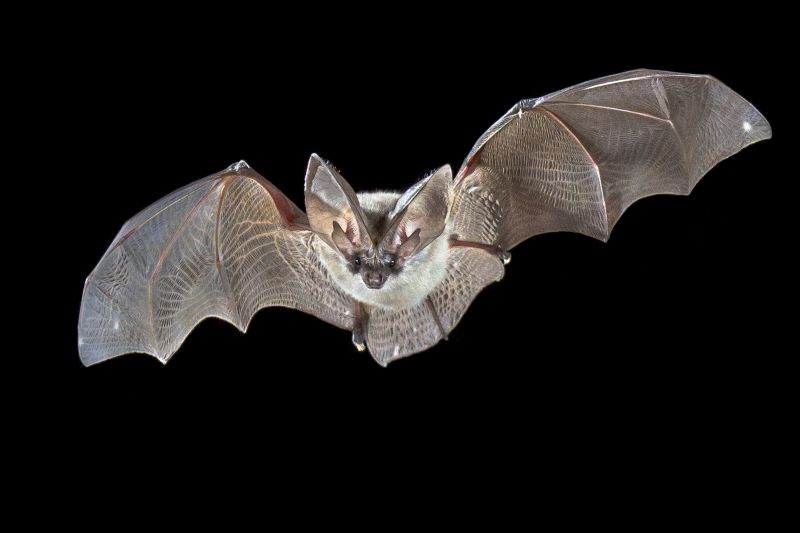
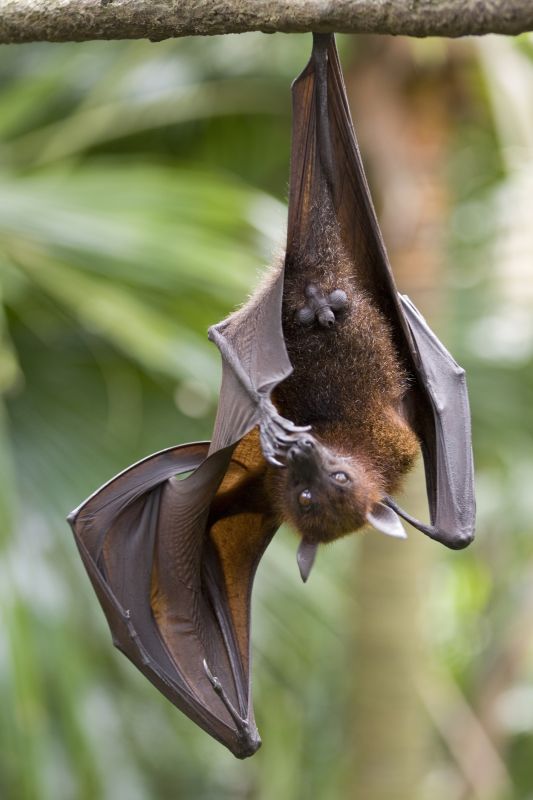
Birds and bats often seek shelter in commercial properties, especially in areas like rooftops, eaves, and ventilation systems. While these animals may seem harmless, their presence can pose significant health risks linked to birds and bats in commercial properties. Droppings and nesting materials can harbor bacteria, fungi, and parasites that may become airborne or contaminate surfaces, increasing the chance of respiratory issues or infections among employees and visitors. Property owners who notice signs of bird or bat activity should consider consulting local contractors experienced in bird and bats control services to mitigate these health hazards effectively.
Ignoring bird and bat infestations can lead to more serious health concerns over time, including the spread of diseases such as histoplasmosis, psittacosis, and salmonellosis. These risks are particularly relevant in busy commercial settings where many people gather or work regularly. Engaging with local service providers specializing in bird and bat exclusion and removal can help prevent the accumulation of droppings and nesting materials, reducing health dangers and maintaining a safer environment. Property owners seeking peace of mind should explore options for professional bird and bats control to address these potential health risks proactively.
What health risks are associated with birds and bats in commercial properties? Birds and bats can carry diseases such as histoplasmosis, salmonella, and avian flu, which may pose health risks to building occupants. Local contractors specializing in bird and bat control can help reduce these risks by safely removing these animals and their droppings.
How can bird and bat infestations impact indoor air quality? Bird and bat droppings can release mold spores and bacteria into the air, leading to respiratory issues. Professional control services can clean and disinfect affected areas to improve indoor air safety.
Are there health concerns related to bird and bat droppings on commercial buildings? Yes, accumulated droppings can harbor pathogens that cause illnesses. Local service providers can remove and properly dispose of droppings to mitigate health hazards.
Can bats and birds in commercial properties cause allergic reactions? Yes, their droppings, feathers, and dander can trigger allergies and asthma symptoms. Experts in bird and bat control can implement exclusion measures to prevent further exposure.
Why is professional control important for managing health risks linked to birds and bats? Professionals have the expertise to safely remove animals and contaminated materials, reducing the risk of disease transmission and ensuring a healthier environment for occupants.
Identify nesting areas - property owners can work with local contractors to locate and safely remove bird and bat nests that pose health risks linked to birds and bats in commercial properties.
Seal entry points - sealing gaps and openings helps prevent birds and bats from entering buildings, reducing potential contamination and health hazards.
Implement exclusion measures - installing deterrents and barriers can keep birds and bats away, minimizing exposure to health risks linked to birds and bats in commercial spaces.
Schedule regular inspections - routine checks by local service providers ensure ongoing control of bird and bat activity, helping to mitigate health risks linked to birds and bats in commercial properties.
If you are thinking about health risks linked to birds and bats in commercial properties for a property, this guide is meant to help you understand this topic, the typical project types, and how different options might fit your plans.
When you are ready, you can use the quote form on this page to share a few details about your project. From there, local pros can review the basics and follow up with options that match what you have in mind.