Common Bird and Bat Problems in Warehouses, Factories, and Plants
Local service providers can help resolve common bird and bat problems in warehouses, factories, and plants by safely removing pests and preventing future infestations.
Visitors exploring common bird and bat problems in warehouses, factories, and plants are in the right place to find practical solutions. These issues can lead to significant disruptions, including property damage, hygiene concerns, and safety risks. Property owners in the area often seek effective removal and exclusion strategies to protect their facilities, prevent infestations, and maintain a clean, secure environment. Understanding the nature of these problems and knowing where to turn for professional assistance can make a meaningful difference in managing and resolving such challenges efficiently.
Connecting with experienced service providers can help address the unique needs of warehouses, factories, and plants facing bird and bat-related issues. Local contractors specializing in bird and bat removal offer services tailored to the operational demands of commercial facilities, ensuring that problems are handled safely and effectively. Keep reading to learn more about common bird and bat problems in these settings and how local experts can support property owners in safeguarding their spaces.
- Bird removal services are often needed when birds establish nests in warehouse rafters or vents, with local contractors using humane exclusion methods to prevent future infestations.
- Bat removal services are sought when bats roost inside factory walls or ceiling cavities, and service providers typically employ safe exclusion techniques to resolve the problem.
- Bird deterrent installation is recommended when warehouses experience recurring bird problems, with local pros installing barriers or spikes to keep birds away.
- Bat proofing is necessary in facilities where bats have entered through gaps or openings, and local contractors focus on sealing entry points to prevent re-entry.
- Bird and bat cleanup services are needed after infestations, with service providers removing droppings and sanitizing affected areas to reduce health risks.
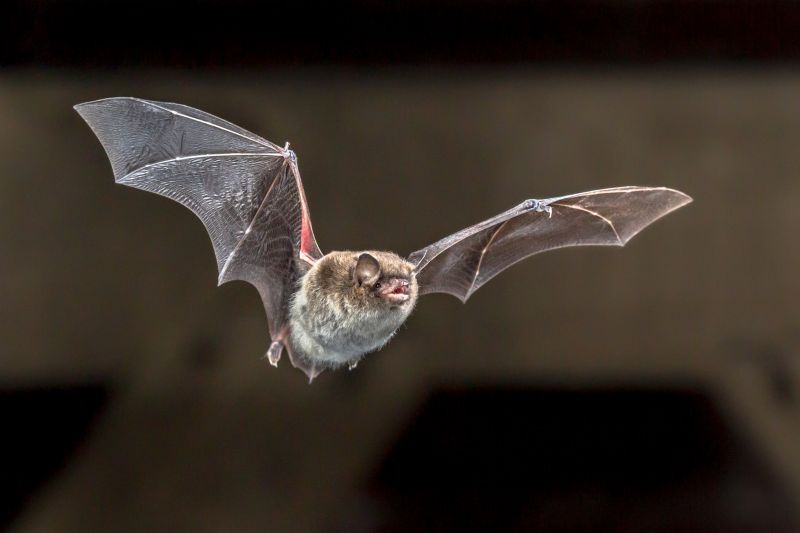
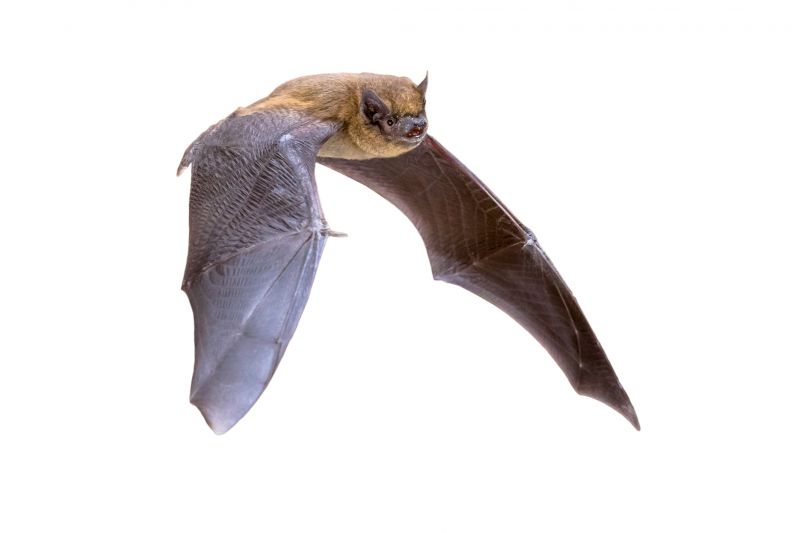
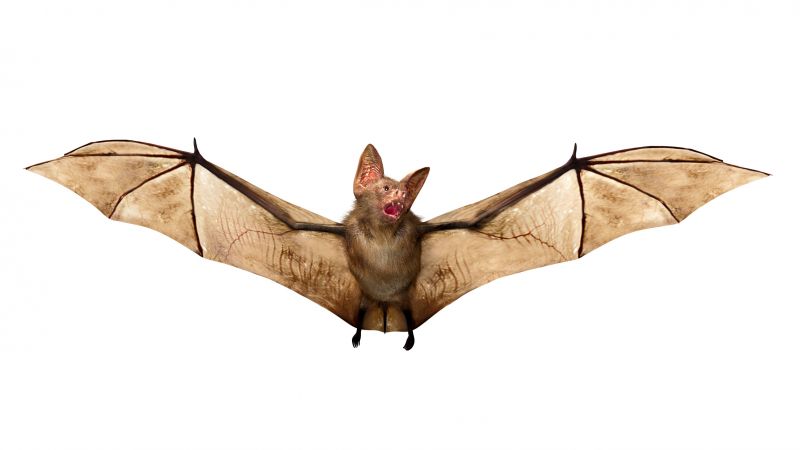
Understanding common bird and bat problems in warehouses, factories, and plants involves recognizing the types of issues these animals can cause in large industrial properties. Many property owners search for this topic because they have noticed signs of pest activity, such as droppings, nesting materials, or noise, and want to find effective ways to address these concerns. These problems often relate to animals seeking shelter in expansive, sheltered areas, which makes industrial buildings especially vulnerable. When searching for solutions, property managers and facility owners typically look for strategies to prevent animal entry, remove existing animals safely, and prevent future infestations, all of which require the expertise of local service providers experienced in bird and bat removal.
The common problems associated with birds and bats in these settings include contamination of products or stored materials, structural damage caused by nesting or roosting behaviors, and health risks related to droppings and guano. Birds can build nests in vents, rafters, or equipment, leading to blockages or damage that disrupt operations. Bats often roost in dark, undisturbed areas such as attics, ceiling voids, or behind wall panels, which can result in excessive droppings that corrode surfaces and create unsanitary conditions. Addressing these issues involves developing plans that focus on exclusion, removal, and ongoing maintenance to keep animals out of sensitive areas. Local pros can evaluate properties to recommend tailored solutions that fit the specific layout and needs of each facility.
Properties most commonly affected by bird and bat problems in warehouses, factories, and plants are large industrial buildings with open or semi-enclosed spaces. These include manufacturing plants, distribution centers, storage warehouses, and processing facilities. The architecture of these properties-such as high ceilings, open eaves, and ventilation openings-provides ideal roosting and nesting spots for birds and bats. Additionally, areas with minimal disturbance, like unused sections or storage rooms, tend to attract these animals seeking refuge. Recognizing the type of property and its vulnerabilities helps in designing effective exclusion and removal plans, which local service providers are equipped to implement.
For property owners and managers, understanding how these common problems connect to their operations is crucial. Bird and bat issues can lead to significant disruptions, health hazards, and damage that impact daily functions and safety standards. Local pros specializing in bird and bat removal can assess the property, identify entry points, and develop customized strategies to eliminate existing problems and prevent future ones. Their expertise ensures that solutions are both humane and effective, helping maintain a clean, safe, and operational environment. Connecting with experienced service providers is a practical step toward managing these common issues in warehouses, factories, and plants.
Building inspections and assessments - professionals evaluate structural vulnerabilities that attract birds and bats in warehouses, factories, and plants, helping to identify entry points and nesting areas.
Exclusion and sealing projects - contractors specialize in installing barriers and repairs to prevent birds and bats from accessing indoor spaces, reducing common problems in industrial settings.
Wildlife proofing services - experts focus on humane exclusion methods to address bird and bat issues, ensuring buildings remain protected from common pest problems.
Ventilation and exhaust system modifications - specialists adjust or install systems to prevent roosting and nesting in ventilation areas, which are common in warehouses and factories.
Sanitation and cleanup services - providers remove nesting materials, droppings, and debris left by birds and bats, helping to mitigate health and safety concerns in industrial environments.
Pest and wildlife monitoring programs - ongoing surveillance to detect early signs of bird and bat activity, aiding in the prevention of recurring problems in commercial facilities.
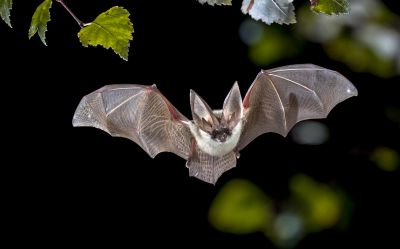
When evaluating service providers for bird and bat removal in warehouses, factories, and plants, it’s important to consider their experience with similar projects. Local contractors who have handled bird and bat problems in commercial or industrial settings are more likely to understand the unique challenges these environments present. Inquire about their past work with facilities comparable in size and function, as this can indicate their familiarity with the specific issues that often arise, such as access points, structural considerations, and pest behavior. An experienced provider can offer insights into effective strategies tailored to these types of properties, helping to ensure that the problem is addressed thoroughly and efficiently.
Clear written expectations are a crucial aspect of choosing the right service provider. When comparing local contractors, it’s beneficial to review detailed descriptions of the scope of work, including how they plan to handle the removal process and any follow-up measures. This clarity helps avoid misunderstandings and ensures that both parties share a common understanding of what will be done. A reputable provider should be willing to outline their approach in writing, including steps for preventing future bird and bat problems, which are common concerns in these settings. Having well-defined expectations can lead to a smoother experience and better results.
Reputable references and effective communication are also key factors to consider. Service providers with positive references from previous clients in similar industries can offer reassurance of their reliability and professionalism. Additionally, good communication-such as prompt responses to inquiries and clear explanations of procedures-can make the process less stressful. When comparing local contractors, it’s helpful to ask for references and gauge how well they explain their methods and address questions. This level of transparency and responsiveness often indicates a contractor’s commitment to quality work and customer service, which are important when dealing with the complexities of bird and bat problems in commercial environments.
Property owners often search for common bird and bat problems in warehouses, factories, and plants when they are planning practical projects around their homes and businesses. Local pros provide Bird and Bat Removal services for everyday jobs and straightforward project options.
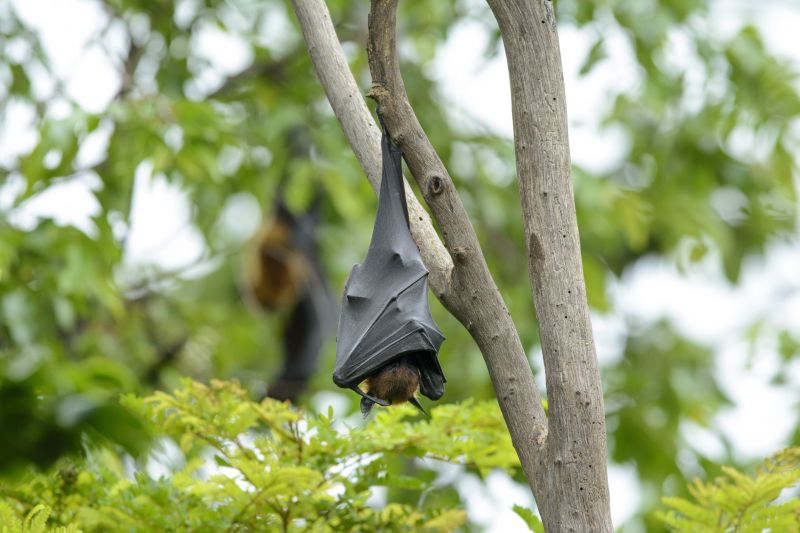
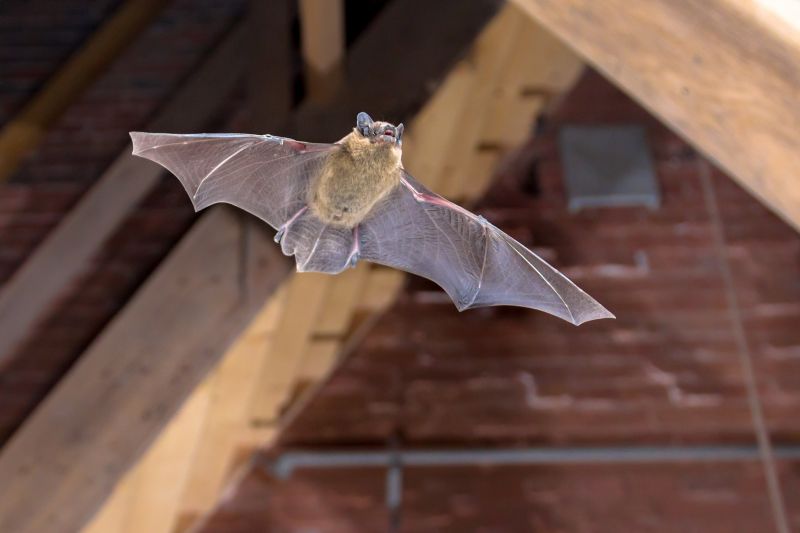
In many warehouses, factories, and plants, bird and bat problems are common issues that property owners often need to address. These pests can create significant disruptions, such as droppings that contaminate products or machinery, and nesting materials that block vents or access points. Additionally, the presence of birds and bats can lead to health concerns and damage to building structures over time. Property owners searching for solutions might look into bird and bat removal services to effectively manage these issues and prevent future problems, ensuring a safer and cleaner environment for daily operations.
Understanding the typical signs of bird and bat activity can help property managers identify when professional removal services are needed. Common indicators include droppings accumulating in rafters or on equipment, noise from roosting sites, or visible nesting materials in vents and eaves. When these issues arise, it’s often best to work with local contractors experienced in handling bird and bat problems. These service providers can assess the situation, implement humane removal methods, and help seal entry points to prevent re-infestation, supporting the ongoing safety and functionality of industrial facilities.
What are common bird and bat problems in warehouses, factories, and plants? Common issues include bird droppings contaminating products, nesting materials blocking vents, and bats roosting in hard-to-reach areas, which can lead to sanitation and health concerns.
How can birds and bats affect the operations of industrial facilities? Birds and bats can cause damage to structures, create health hazards through droppings and droppings-related pathogens, and disrupt workflows if they establish nesting sites inside buildings.
What types of services do local contractors offer for bird and bat problems? Local service providers typically offer exclusion, removal, and prevention solutions to safely deter birds and bats from industrial sites, helping to minimize damage and health risks.
Are there effective methods to prevent birds and bats from returning to warehouses, factories, and plants? Yes, local contractors often implement exclusion techniques such as installing netting, sealing entry points, and using deterrents to prevent future problems with birds and bats.
How do professionals handle bird and bat removal in large industrial facilities? Experienced service providers utilize humane, efficient removal methods and structural modifications to ensure birds and bats are safely excluded from the premises.
Identify entry points - property owners can work with local contractors to find and seal gaps or holes that birds and bats use to access warehouses, factories, and plants.
Install deterrents - applying bird spikes, netting, or other barriers can help prevent birds and bats from roosting on building exteriors with assistance from local service providers.
Schedule regular inspections - routine checks by local pros can detect early signs of bird and bat activity, allowing for prompt removal and prevention measures.
Implement exclusion techniques - professional exclusion methods can safely remove existing bird and bat colonies and prevent future infestations in commercial properties.
If you are thinking about common bird and bat problems in warehouses, factories, and plants for a property, this guide is meant to help you understand this topic, the typical project types, and how different options might fit your plans.
When you are ready, you can use the quote form on this page to share a few details about your project. From there, local pros can review the basics and follow up with options that match what you have in mind.